Ditching the Phone: My Deep Dive into Android XR Smart Glasses
You know that feeling? The one where you’re constantly checking your phone, missing the world around you? I’ve been there. For years, I’ve been fascinated by the idea of tech that doesn’t drag me out of reality but enhances it. And honestly, watching Meta try to lock down the “metaverse” with huge, sweaty VR headsets felt a little… clunky.
That’s why I’m genuinely excited about what’s brewing in the world of smart glasses, especially the quiet storm called Android XR. It feels like the moment Android finally crushed the Blackberry/early iPhone dominance, but this time, it’s coming for your face.
🤓 My Experience: Why I’m Over the “Walled Garden”
I remember getting my hands on one of the early Google Glass devices years ago. It was neat—a little notification here, a quick photo there—but it was expensive, a little weird-looking, and the software felt like a beta test. The tech just wasn’t ready.
Fast forward to today, and we’ve got Meta pouring billions into VR, creating these amazing virtual worlds. But for me, the killer application of smart glasses isn’t escaping reality; it’s augmenting it.
The problem with Meta’s approach (and potentially Apple’s coming one) is that it’s a “walled garden.” They control the hardware, the software, and the app store. As a consumer, that worries me. It limits choice, keeps prices high, and stifles the kind of crazy, brilliant innovation that happens when developers are truly free.
This is where Android XR swoops in, and why I think it’s the real game-changer.
👓 What Exactly Is Android XR? (Think Android for Your Eyes)
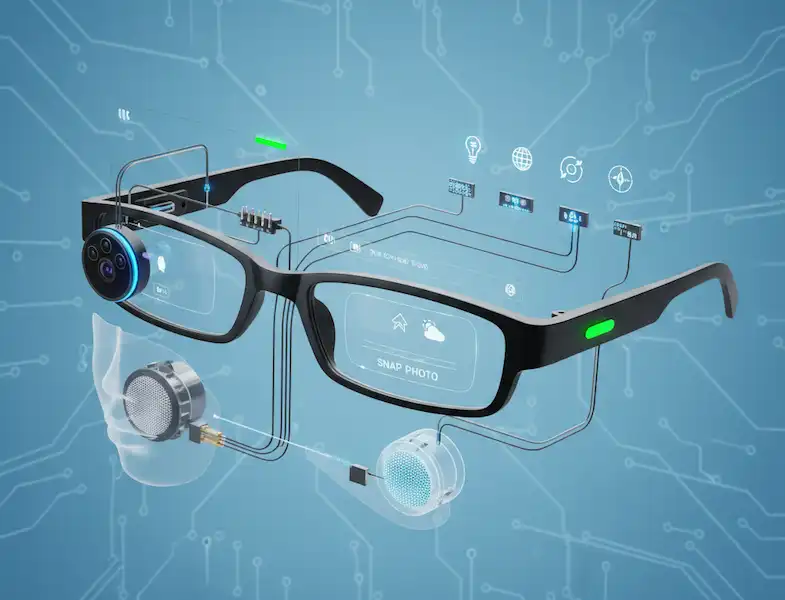
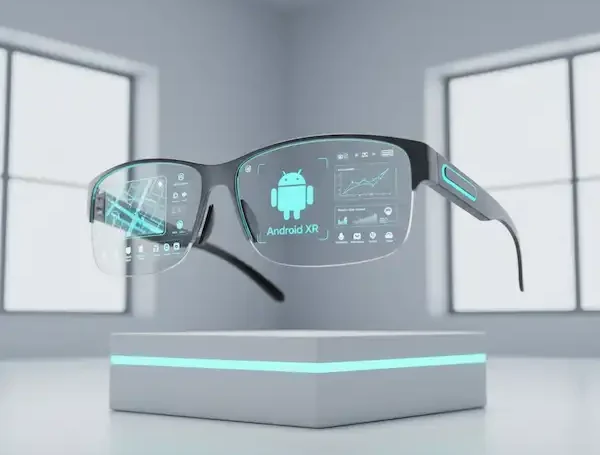
You know Android. You probably use it every day. Android XR is basically Google taking that familiar, open-source framework and completely rebuilding it from the ground up to understand space.
It’s not just projecting a tiny phone screen in front of you. It’s about spatial computing.
Imagine this: I’m building IKEA furniture (a truly extended reality experience, let me tell you). Instead of having to look down at a phone screen every two seconds, the instructions are just there, floating above the pieces, telling me which screw to use next. That’s the power of an OS designed for 3D interaction—voice commands, eye tracking, and intuitive gestures.
- My Big Takeaway: It’s an open playing field. Because Google is letting other companies use this OS, it means we won’t be stuck with one design or one price point. It’s the smartphone revolution, redux.
⚔️ The Hardware War: Who’s Challenging Meta?
This is where the plot thickens. The smart glasses OS means nothing without cool hardware, and thankfully, manufacturers are finally stepping up. They know Android XR means they can compete head-on without having to build a whole OS themselves.
Xreal’s Project Aura: The Stylish Contender
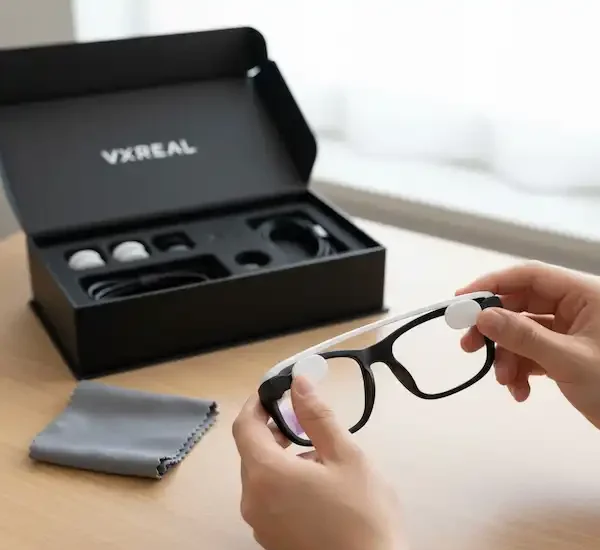
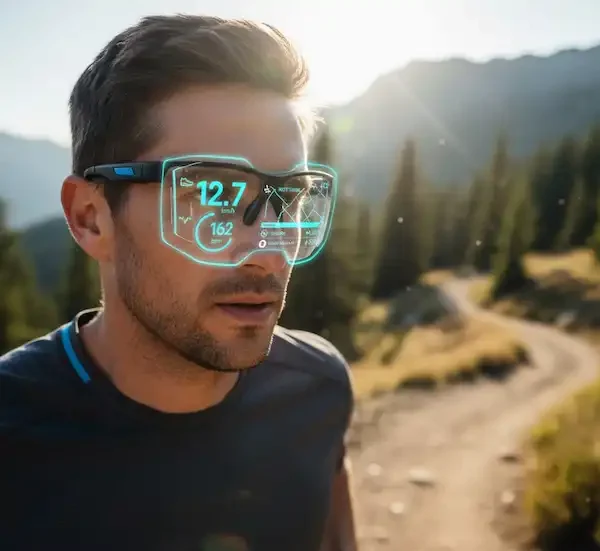
I’ve been following Xreal (formerly Nreal) for a while. Their current glasses are already incredibly light and look almost normal. Their rumored Project Aura devices, built to run Android XR, are what I’m truly watching.
If Xreal can combine their sleek, wearable design with the power and app ecosystem of Android XR, they could be the first pair I actually wear out for a walk. They are prioritizing style and all-day comfort, which is critical if these are ever going to replace your phone.
Samsung’s Project Moohan: The Heavyweight Entry
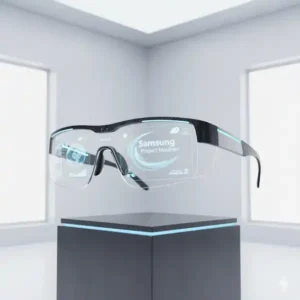
When Samsung partners with Google, things get real. Think of the Galaxy series. Samsung knows how to make powerful, mass-market consumer tech. Their rumored Project Moohan will likely bring their display expertise (they make incredible screens!) and their processing power (Exynos chips) to the smart glass fight.
If they make a pair of glasses that syncs perfectly with my Samsung phone and SmartThings home setup, they’ve got me hooked. Their sheer size and marketing muscle could take Android XR mainstream overnight.
Other Potential Players
The beauty of an open platform like Android XR is that it invites a multitude of manufacturers. We can expect other tech companies, both established and startups, to develop their own smart glass hardware running Android XR, fostering a diverse and competitive market.
💡 Use Cases I’m Dying to Try (And One That Blew My Mind)
The use cases are what make Android XR so compelling.
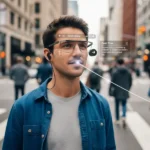
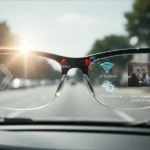
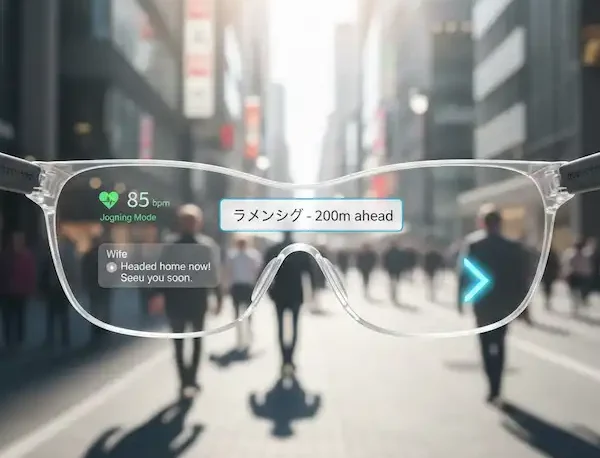
- The Daily Commute Savior: Ever tried to navigate a new city while juggling a coffee and a suitcase? I have. With Android XR, the directions aren’t on my phone; they’re painted on the street right where I need to turn. Pure magic.
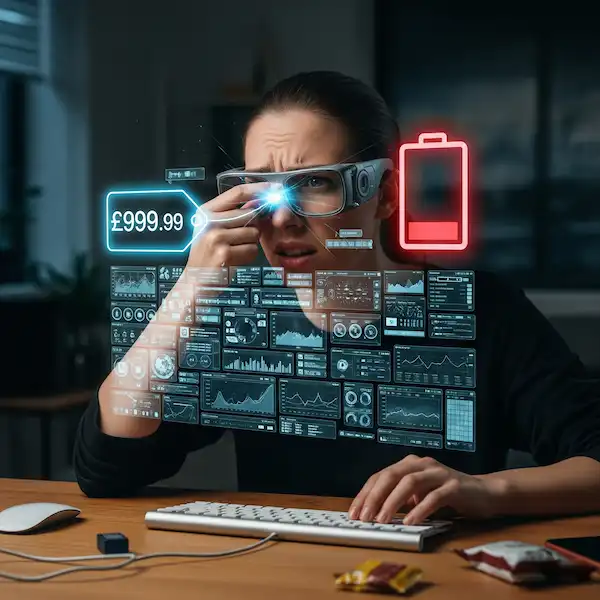
- The Productivity Power-Up: I struggle to find space for a second monitor when working remotely. Imagine having three virtual monitor windows floating in front of me, instantly deployed with my voice. Game over, tiny laptop screen.
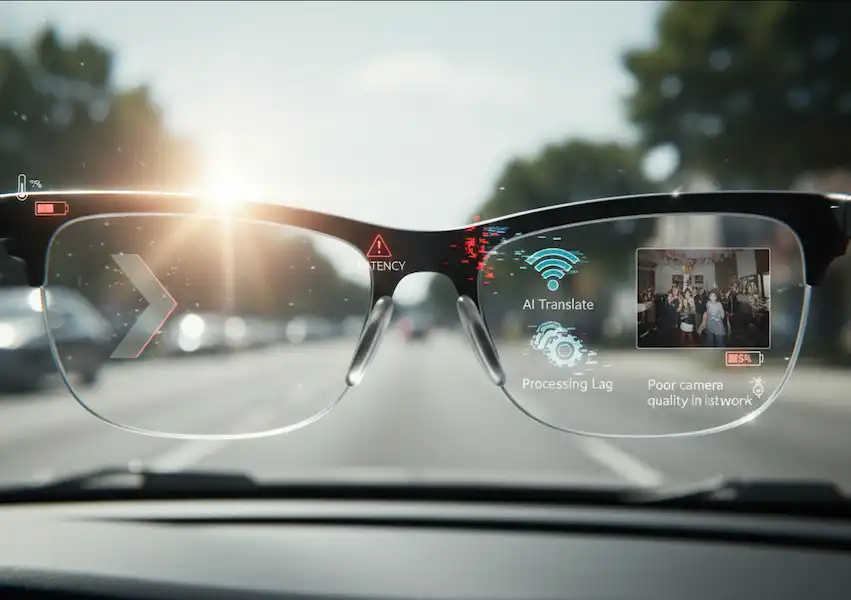
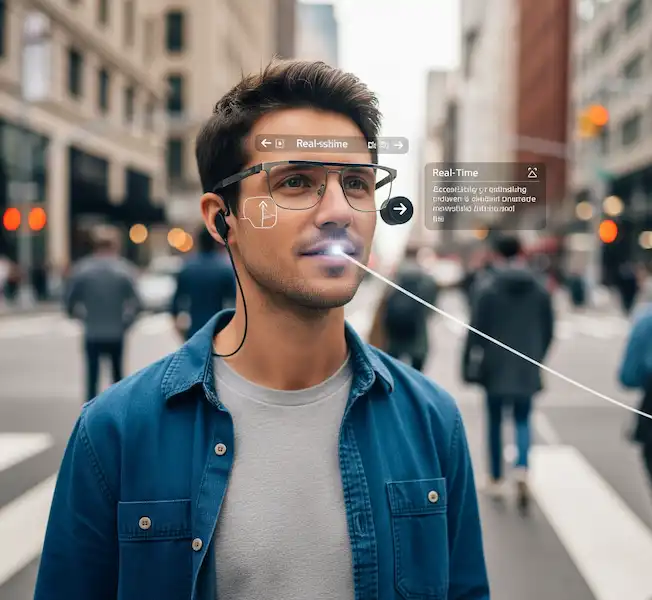
- The Mind-Blowing Translation: I was recently traveling in a country where I didn’t speak the language. If I had my Android XR glasses, they could offer real-time captions of a conversation, appearing instantly below the person speaking. That’s not a gadget; that’s a genuine human connection tool.
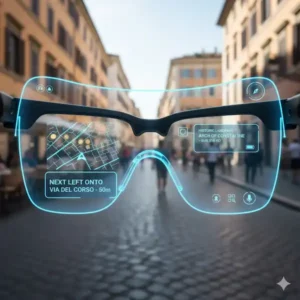
- Enhanced Productivity: Access notifications, emails, and calendar reminders without pulling out your phone. Collaborate with remote colleagues on virtual whiteboards or view complex 3D models in your workspace.
- Gaming and Entertainment: Experience AR games that blend digital elements with your physical environment, or enjoy immersive media directly in your field of view.
- Assisted Living and Accessibility: Provide real-time captions for conversations, magnify text, or offer visual cues for individuals with specific needs.
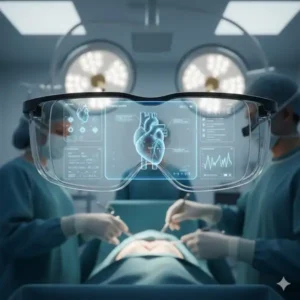
- Industrial and Medical Applications: Assist technicians with step-by-step repair guides overlaid on machinery, or help surgeons visualize patient data during operations
The Future of Smart Glasses and Android XR
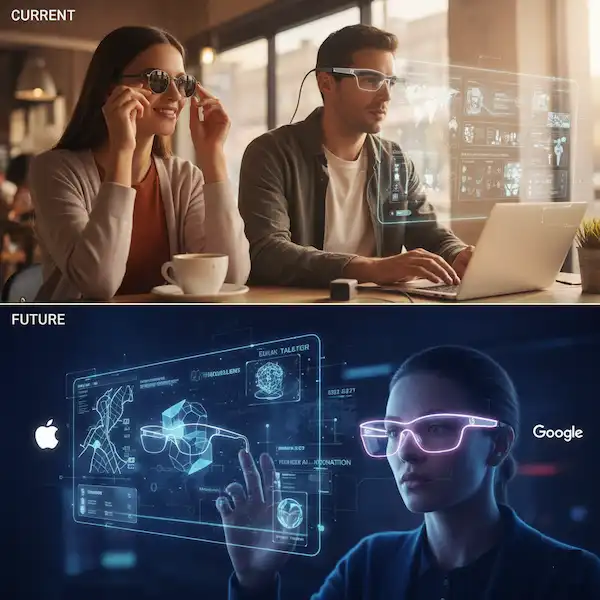
The launch of Android XR marks a significant turning point for the smart glass industry. It signifies a move towards an open, diverse, and competitive ecosystem, much like the early days of smartphones. While Meta will continue to be a strong player, Android XR has the potential to accelerate innovation, broaden accessibility, and ultimately make smart glasses a ubiquitous part of our daily lives.
We can anticipate a rapid evolution in hardware design, with devices becoming lighter, more stylish, and more powerful. Software will also advance, with increasingly sophisticated AR experiences, more intuitive interaction methods, and deeper integration with AI and cloud services. The era of truly smart, connected eyewear is finally within reach.
My Conclusion: The Phone Replacement, Eventually
Is Android XR going to replace your smartphone tomorrow? Nope.
But it sets the stage for the next decade of computing. By offering an open, familiar platform, Google is inviting thousands of companies to experiment and find the perfect blend of hardware and software. It shifts the power from the single-device ecosystem of Meta to the free market that Android has always championed.
I believe that within five years, we’ll look at the bulky Quest headset the way we look at those early, brick-like flip phones. The future is light, open, and running on Android XR.
FAQ about Android XR
Q: Is Android XR different from Google Glass? A: Yes, significantly. While Google Glass was an early pioneer, Android XR represents a much more mature and comprehensive operating system designed for a broader range of XR devices, with a focus on spatial computing and a richer app ecosystem.
Q: Will Android XR smart glasses replace my smartphone? A: Not entirely, at least not in the immediate future. Smart glasses will likely augment your smartphone, offering new ways to interact with information and the digital world. Over time, as smart glasses become more capable, they may absorb some smartphone functionalities.
Q: What are the privacy implications of smart glasses? A: Privacy is a critical concern for any wearable technology. Android XR will need robust privacy controls and clear user consent mechanisms, similar to how modern smartphones manage data and permissions. Manufacturers will also need to address concerns around always-on cameras and data collection.
Q: How will developers create apps for Android XR? A: Developers will likely use familiar Android development tools and frameworks, with added SDKs and APIs specifically designed for spatial computing, AR, and VR experiences. Google is expected to provide comprehensive documentation and support for the developer community.
Q: When can I expect to buy Android XR smart glasses? A: While some early developer devices might be available sooner, consumer-ready Android XR smart glasses from major manufacturers are expected to hit the market in the coming years. Keep an eye on announcements from companies like Google, Samsung, and Xreal.
Additional Helpful Content: Comparing Ecosystems
To better understand the landscape, here’s a simplified comparison of the major smart glass/XR ecosystems:
| Feature/Ecosystem | Meta (Quest OS) | Android XR (Google) | Apple (rumored xrOS) |
| Openness | Closed Ecosystem | Open Source (Android lineage) | Closed Ecosystem (Apple’s tradition) |
| Hardware Partners | Meta’s own devices | Multiple manufacturers (Xreal, Samsung, etc.) | Apple’s own devices |
| App Store | Meta Quest Store | Google Play Store for XR | Apple App Store for XR |
| Focus | VR, Metaverse, Gaming | AR, VR, MR, Productivity, Everyday Use | High-end AR/VR, Integration with Apple Ecosystem |
| Current Status | Established | Emerging, Developer-focused | Highly anticipated, Rumored |
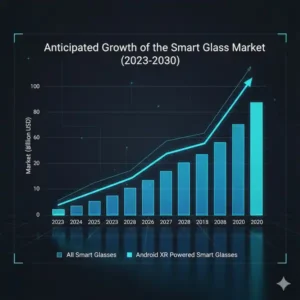
Chart: Anticipated Growth of the Smart Glass Market (2023-2030)
Additional Helpful Links
- Take a look at these smart glasses apps and features – Must-Have Smart Glasses Apps & Features
- Read about the best smart glasses for Android – The Best Smart Glasses for Android: Top 5 Productivity Picks
External Links for Authoritative Sources:
- Google’s AR & VR Initiatives: https://arvr.google.com/ (While specific Android XR details are often under NDA, this is Google’s official portal for XR initiatives.)
- Xreal Official Website: https://www.xreal.com/ (Explore their current AR glasses and technology.)
- Samsung’s Official Website (for broader context on their innovation): https://www.samsung.com/
- Meta Quest (for understanding the competitor): https://www.meta.com/quest/
- Industry Analyst Reports (e.g., IDC, Gartner, Statista) on AR/VR Market Trends: (Search for “AR VR market report” + year to find the latest analyses from these reputable firms.)