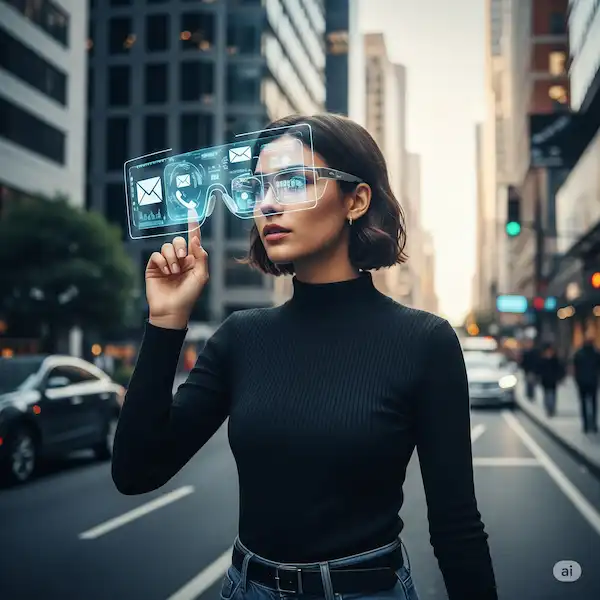
Why My Phone Is Staying in My Pocket
My tech journey started with a pager on my belt and a feeling that the future had arrived. We went from “Brick” phones to Blackberries to the iPhones we carry today, always assuming we’d found the ultimate device. But lately, I’ve realized something’s wrong. Our morning commutes have become a parade of craned necks and distracted stares. We’ve become tethered to our pockets. It’s time to change the way we see the world—literally. Explore why smart glasses are the Future Beyond Smartphones.
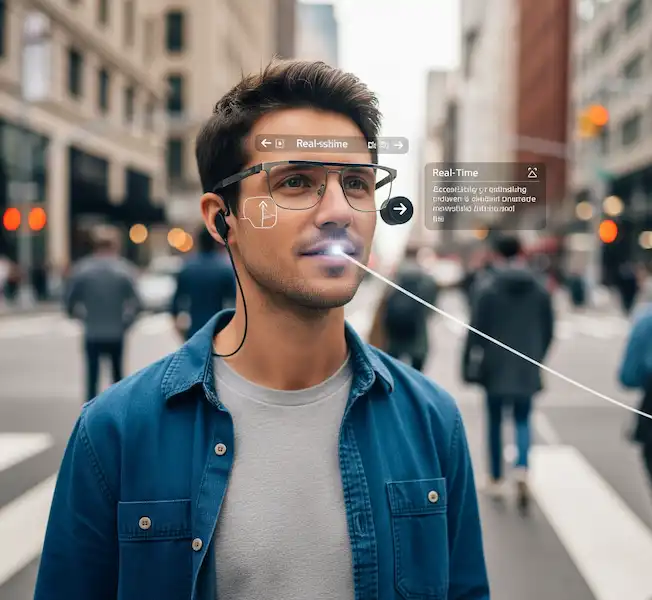
I recently spent a week testing the Ray-Ban Meta glasses, and for the first time in fifteen years, I kept my phone in my pocket. I looked up. I saw the architecture of the buildings, the change in the leaves, and the eyes of the person I was talking to—all while receiving turn-by-turn navigation and taking a hands-free photo of a street musician.
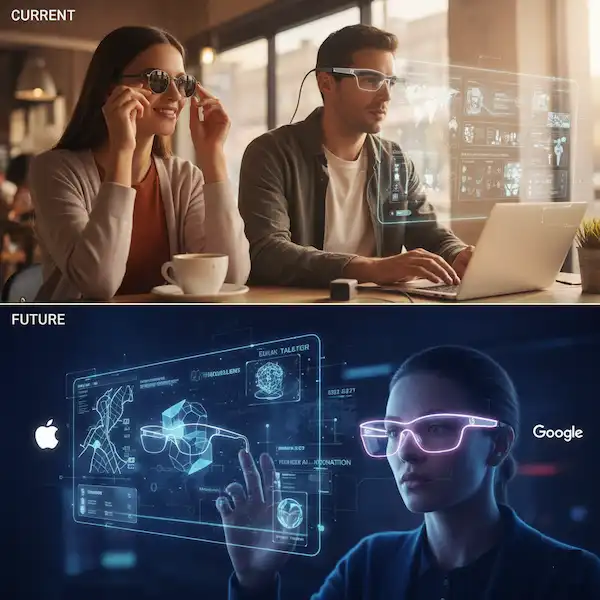
It clicked for me then: the smartphone isn’t the destination; it’s a transition. The Future Beyond Smartphones isn’t in our pockets; it’s on our faces.
The Screen in Your Pocket is a Burden
Let’s be honest: smartphones are demanding. They require our hands, our constant attention, and they physically isolate us from our surroundings. When you’re filming a concert through a 6-inch screen, you aren’t actually at the concert; you’re a cameraman for your future self.
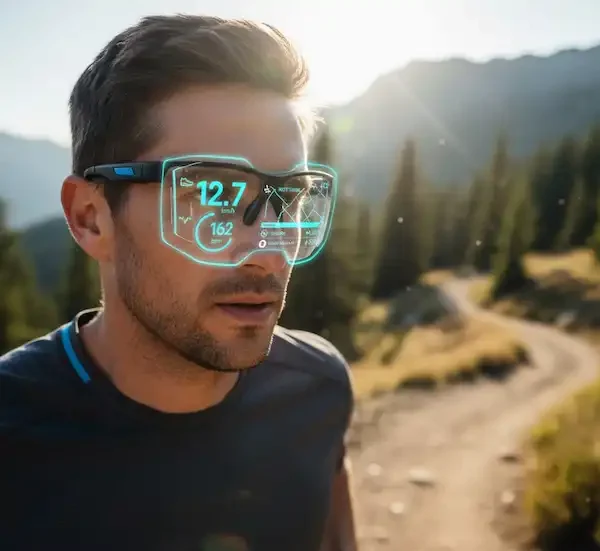
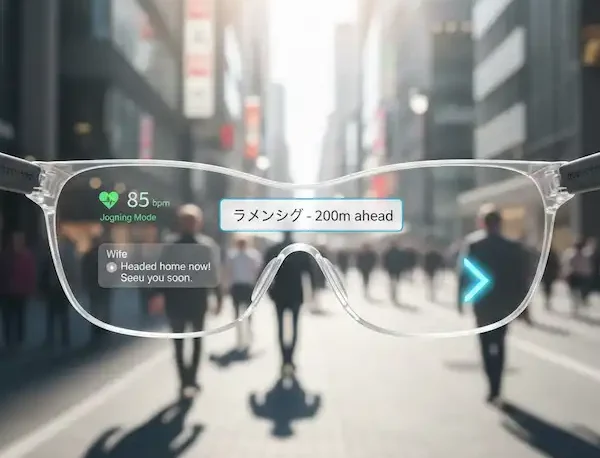
Smart glasses flip the script and is the Future Beyond Smartphones. By moving the interface to our line of sight, we reclaim our hands and our presence. Instead of looking down to check a text, the message appears as a translucent notification in the air. Instead of fumbling with Google Maps while walking through a busy intersection, a digital arrow appears on the actual pavement in front of you. This is the shift from “distracted computing” to “ambient computing.”
Beyond the Hype: What’s Actually Changing?
The original Google Glass (released over a decade ago) failed because it looked like a prop from a low-budget sci-fi movie and had the battery life of a moth. But 2024 and 2025 have changed everything. Making smart glasses the Future Beyond Smartphones closer to a reality.
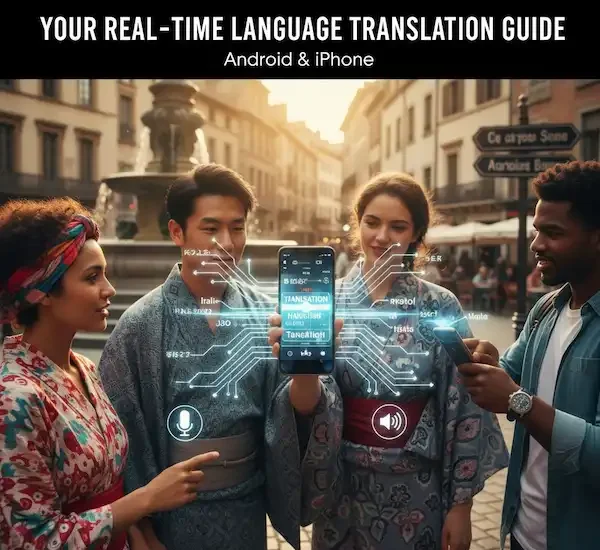
- AI is the Secret Sauce: The most significant leap hasn’t been the hardware, but the integration of Multimodal AI. I can now look at a menu in a foreign language, and the glasses don’t just translate it—they tell me which dishes fit my diet.
- Form Factor Finally Wins: Companies like Meta and EssilorLuxottica have figured out that for people to wear tech on their face, it has to look like eyewear, not a computer.
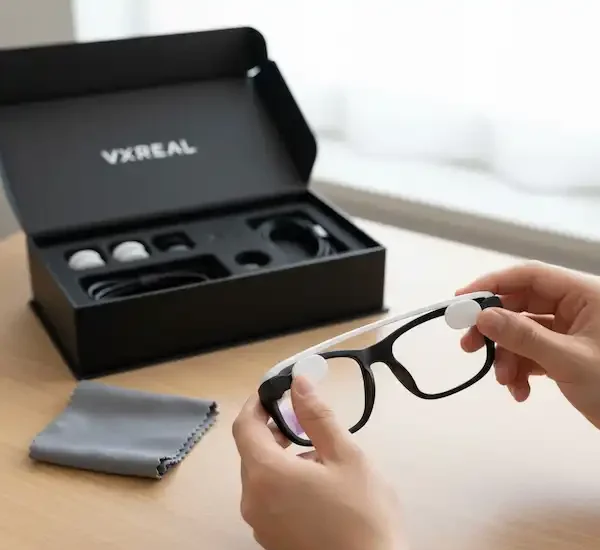
- The Death of the “Second Screen”: High-end AR glasses like the XREAL Air 2 or ASUS AirVision M1 can project a 130-inch virtual theater. I’ve used these on a plane, and suddenly my cramped economy seat felt like a private cinema. Why buy a massive TV when you can carry one in your pocket?
Personal Experience: A Day Without a Phone
During my “glasses-only” experiment, the most surprising thing wasn’t the tech; it was the social connection. I went to the grocery store with my digital shopping list hovering in the corner of my vision. I didn’t have to keep pulling my phone out, which meant I was more likely to say hello to the cashier or notice a neighbor.
However, it wasn’t perfect. I did feel a bit “loud” talking to a voice assistant in public. We still have a social hurdle to clear. Just as people once looked crazy talking into Bluetooth headsets, we’ll eventually get used to seeing people gesture at invisible screens to support the concept of Future Beyond Smartphones.
The Roadmap to a Post-Smartphone World
We are currently in the “Companion Phase.” Your glasses still need your phone’s processor to do the heavy lifting. But the trajectory is clear, the Future Beyond Smartphones:
- 2025–2027: Glasses become the primary way we interact with notifications, music, and basic photography.
- 2028–2030: Advances in battery density and micro-LED technology allow glasses to become standalone devices.
- 2035 and Beyond: The smartphone becomes the “landline” of the past—a legacy device used only for intensive tasks like video editing or heavy gaming.
Privacy: The Elephant in the Room
We can’t talk about the Future Beyond Smartphones without talking about the “creep” factor. A camera on every face is a daunting prospect. But as we saw with the transition to smartphones, social norms evolve. We went from “don’t put your face on the internet” to “everyone has a vlog.” The industry is already responding with prominent LED recording lights and encrypted data processing to ensure that “smart” doesn’t mean “surveillance.”
The Vision of 100% Smart Glasses Replacing Smartphones
The core idea is to move from a “heads-down” experience with a phone to a “heads-up, hands-free” interaction with digital information seamlessly integrated into the real world. Imagine:
- Information overlaid on reality: Directions appearing on the street, nutritional info on food items, or details about landmarks as you look at them.
- Intuitive interaction: Voice commands, gestures, and eye-tracking replacing tapping and swiping.
- Always-on assistance: An AI assistant that sees what you see and understands your context, providing proactive help.
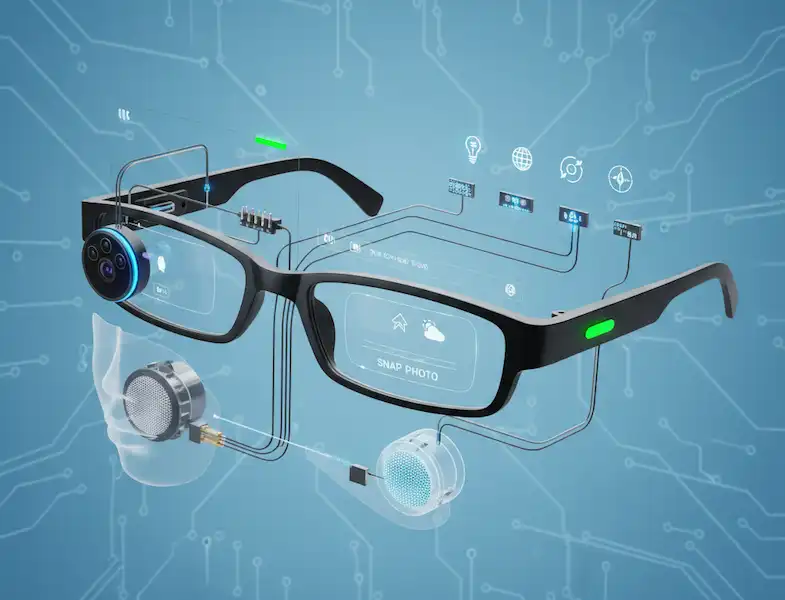
- Ultimate portability: All your computing power and connectivity within a lightweight, stylish pair of glasses.
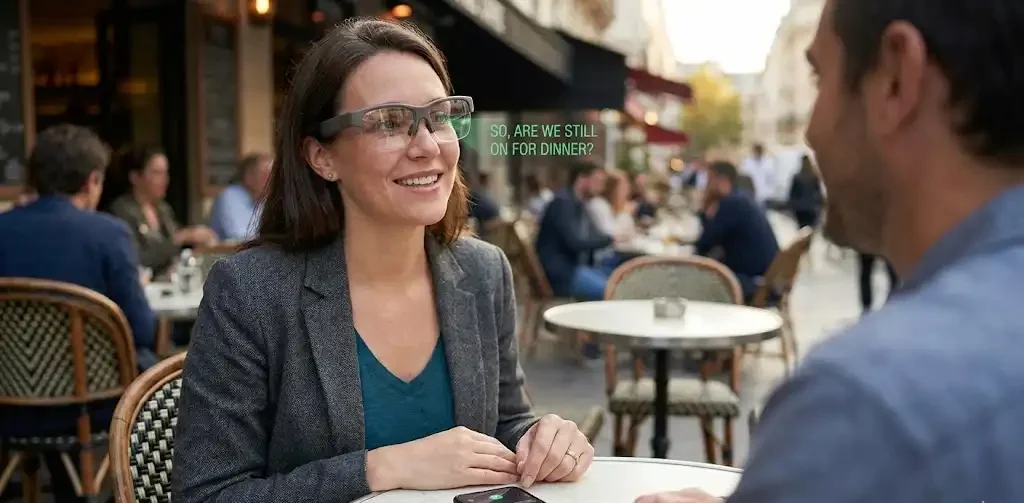
- Seamless communication: Calls, messages, and video chats experienced more naturally, as if the person is in the room with you or a floating avatar.
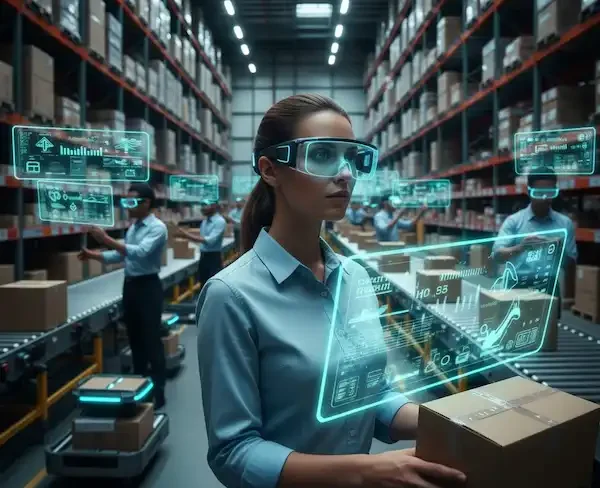
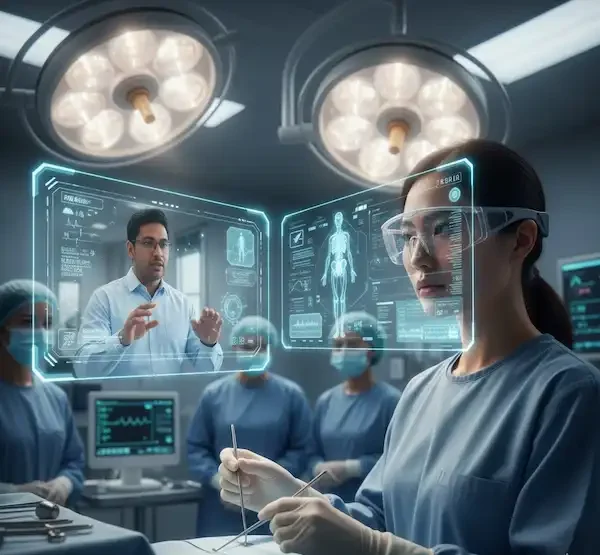
- Enhanced productivity: Accessing schematics, instructions, or data hands-free in professional settings.
- Immersive entertainment: Virtual screens of any size for movies, games, and other media, wherever you are.
How the Transition Might Happen – Smart Glasses Evolution
The future beyond smartphones – it’s unlikely to be a sudden switch, but rather a gradual evolution:
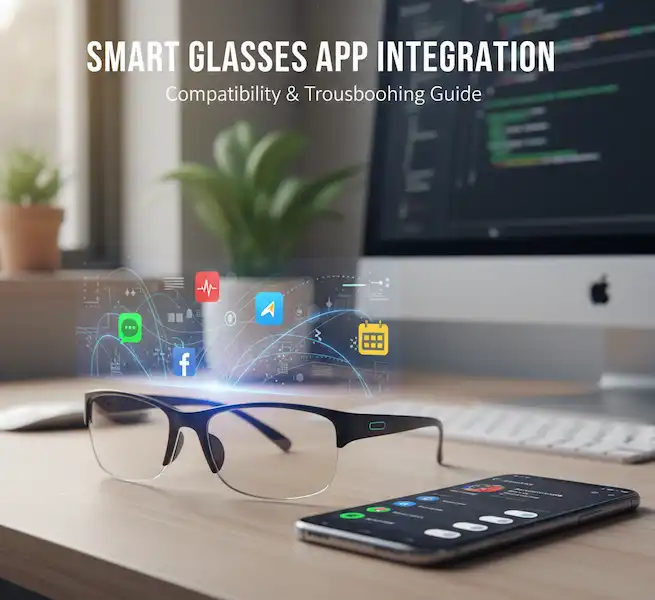
- Complementary Devices: Initially, smart glasses will likely function as extensions of smartphones, offloading certain tasks and providing unique AR experiences. This is already happening with devices like Ray-Ban Meta glasses, which can take photos/videos, play audio, and connect to AI assistants.
- Increasing Independence: As smart glasses become more powerful, miniaturized, and self-sufficient, they will reduce their reliance on a tethered smartphone for processing, data, and connectivity. Advancements in battery life, display technology, and onboard AI will be crucial here.
- Feature Parity (and Beyond): Smart glasses will gradually gain the capabilities of smartphones, including robust communication, comprehensive app ecosystems, and advanced photography. They will then leverage their unique form factor to offer experiences that smartphones cannot, such as true augmented reality and spatial computing.
- Shifting Habits: As the benefits of hands-free, heads-up computing become undeniable, user habits will naturally shift away from pulling out a phone for every digital interaction. Social acceptance will also play a huge role, moving smart glasses from “geeky gadget” to everyday essential.
- Specialized Use Cases Leading the Way: Industries like healthcare, manufacturing, and logistics are already seeing the immediate benefits of hands-free information access and remote assistance through smart glasses, accelerating their development and adoption.
Key Benefits of 100% Smart Glasses
The smart glasses evolution will change how we do many things:
- Hands-Free Interaction: The most significant advantage, allowing users to stay engaged with the real world while accessing digital information.
- Enhanced Contextual Information: AI-powered glasses can provide relevant data based on what you’re seeing, leading to a more intuitive and helpful experience.
- Reduced Screen Time (in a way): While still interacting with digital information, it’s integrated into your field of view rather than demanding constant attention on a separate screen.
- Improved Multitasking: Perform digital tasks while simultaneously engaging in physical activities.
- More Natural Communication: Voice-based interactions and seamless audio integration.
- Ultimate Portability and Accessibility: Always on, always with you, and always ready to provide information.
- Revolutionary AR Experiences: Immersive gaming, interactive learning, and new ways to explore the world.
Challenges to Overcome
Despite the immense potential, the smart glasses evolution has several hurdles that need to be cleared:
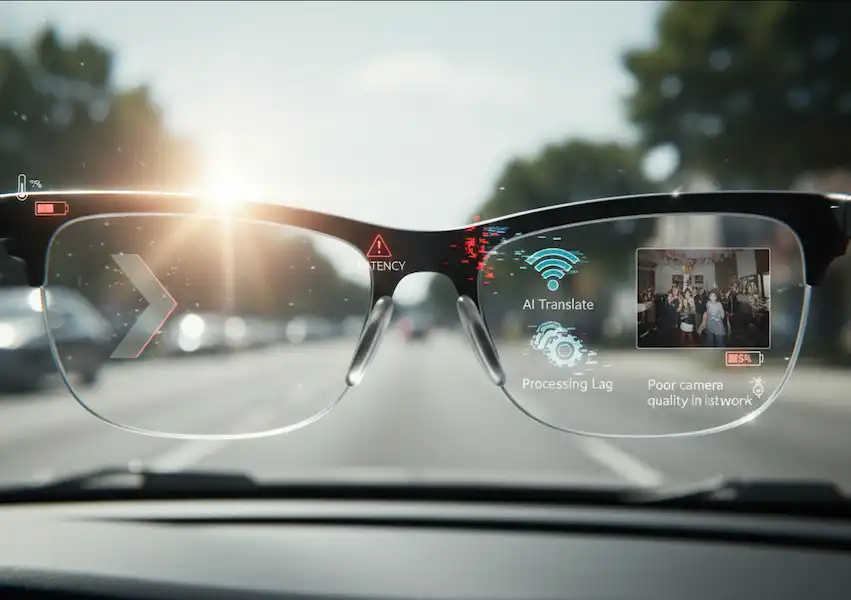
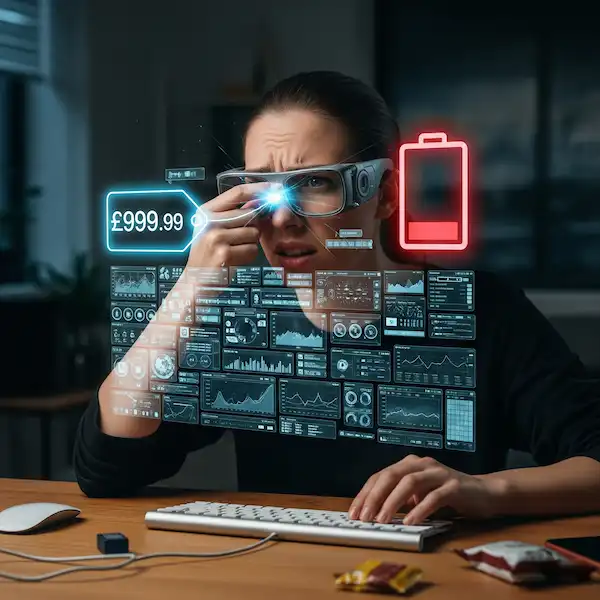
- Battery Life: Powering displays, cameras, sensors, and AI in a small form factor for all-day use remains a major technical challenge.
- Design and Aesthetics: Smart glasses need to be comfortable, lightweight, and stylish enough for widespread social acceptance. Early models have often been bulky or conspicuous.
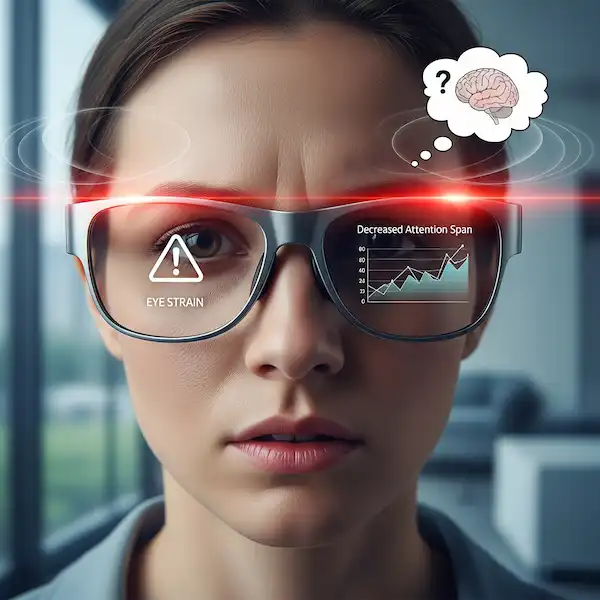
- Privacy Concerns: Constant cameras and microphones raise significant ethical and legal questions about surveillance and data collection, both for the user and those around them.
- Display Quality and Field of View: Achieving high-resolution, bright displays with a wide field of view in varying light conditions is difficult.
- Processing Power and Miniaturization: Packing powerful processors and other components into a sleek frame without overheating is complex.
- Input Methods: While voice and gestures are promising, developing intuitive and reliable input methods that go beyond basic commands is crucial.
- Cost: Initial high prices will limit early adoption; mass-market affordability is key.
- Social Acceptance and Cultural Norms: People are accustomed to smartphones. Changing deeply ingrained habits and overcoming the “awkwardness” factor will take time.
- Developer Ecosystem: A robust ecosystem of apps and services specifically designed for smart glasses will be essential to drive adoption.
Timeline
Some analysts predict that AI-powered smart glasses could begin to seriously challenge and potentially even replace smartphones by 2026, with widespread adoption by 2030. Companies like Meta, Apple, Snap, and Google are heavily investing in this space, indicating a strong belief in Future Beyond Smartphones.
The transition to 100% smart glasses will be a monumental shift in how we interact with technology, moving it from a device in our hand to an omnipresent, intelligent layer on our reality. While challenges remain, the benefits of this hands-free, heads-up future are compelling enough to drive significant innovation and investment.
FAQ: Everything You’re Wondering
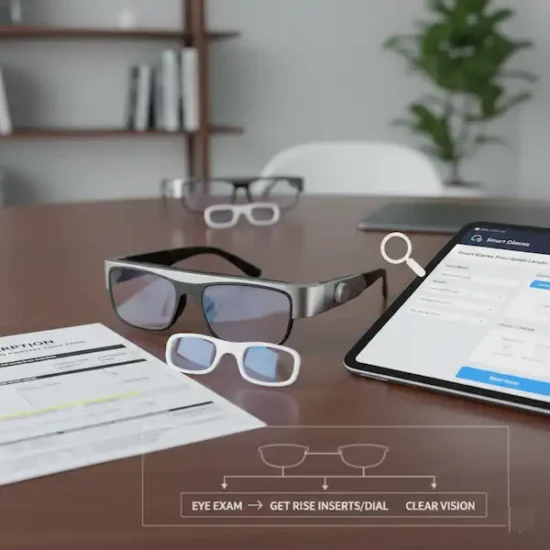
1. Will smart glasses replace my prescription lenses? Absolutely. Most modern smart glasses, including the Ray-Ban Meta and XREAL series, offer prescription lens inserts. You get the vision correction you need with the tech you want.
2. How long does the battery actually last? Currently, most “all-day” smart glasses last about 4–6 hours of active use. They are designed to be popped back into a charging case (like AirPods) when not in use, which usually gives you enough juice to get through a full day.
3. Is the radiation from having a computer on my head dangerous? Smart glasses use non-ionizing radiation (Bluetooth and Wi-Fi), which is the same technology used in the smartphone currently sitting in your pocket or the headphones in your ears. Most devices are designed to meet strict FCC safety standards.
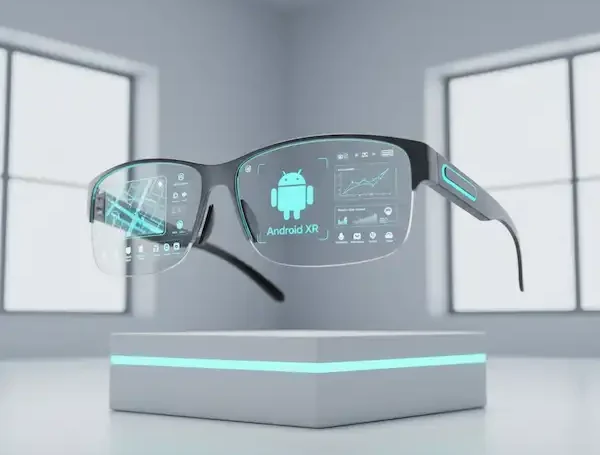
4. Can I use them for gaming? Yes! “XR” glasses like the Viture Pro are specifically designed to plug into Steam Decks, Nintendo Switches, and PlayStations to provide a massive, portable gaming display.
Additional helpful information
First, there needs to be a transition from smartwatches to smart glasses – Transition From Smartwatches to Smart Glasses