Smart Glasses in Healthcare
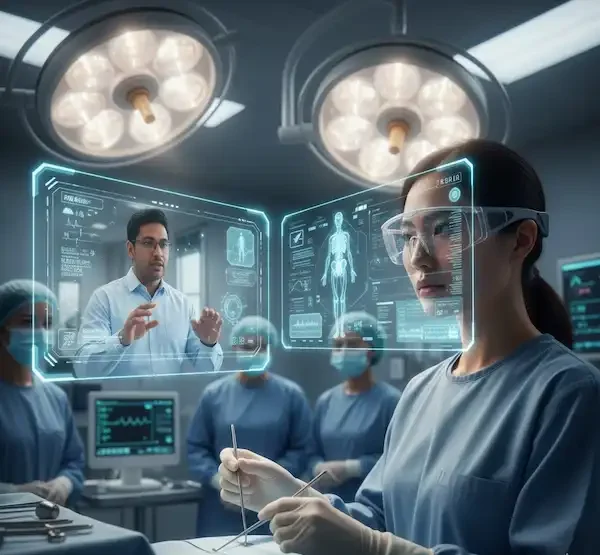
Let’s face it: the operating room has always been a place defined by intense focus, specialized tools, and often, incredible stress. But what if surgeons and nurses could see critical patient data without ever having to look up from the patient? What if a brilliant specialist miles away could peer over the shoulder of a young resident in a rural clinic?
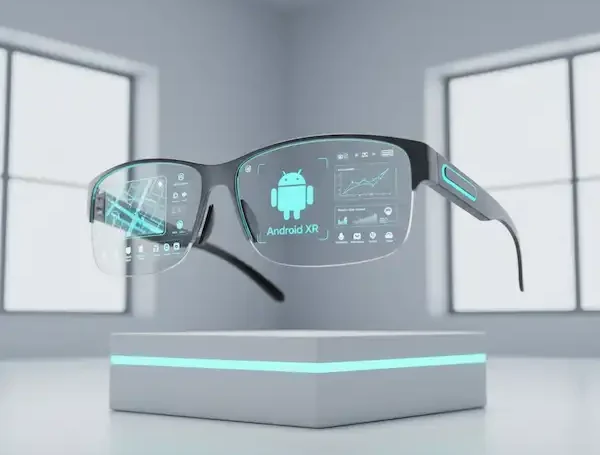
That’s the promise of smart glasses in healthcare. This isn’t just about cool new tech; it’s about giving human doctors superpowers—augmenting their natural skills with real-time digital intelligence, right in their line of sight. These sleek, wearable devices are poised to rewrite the rules of patient care.
How Smart Glasses Become Medical Lifesavers
Think of Smart Glasses in Healthcare as the ultimate hands-free assistant. Instead of fumbling with a tablet or glancing at a monitor, the data you need is layered onto the real world, creating an “augmented reality” (AR) experience.
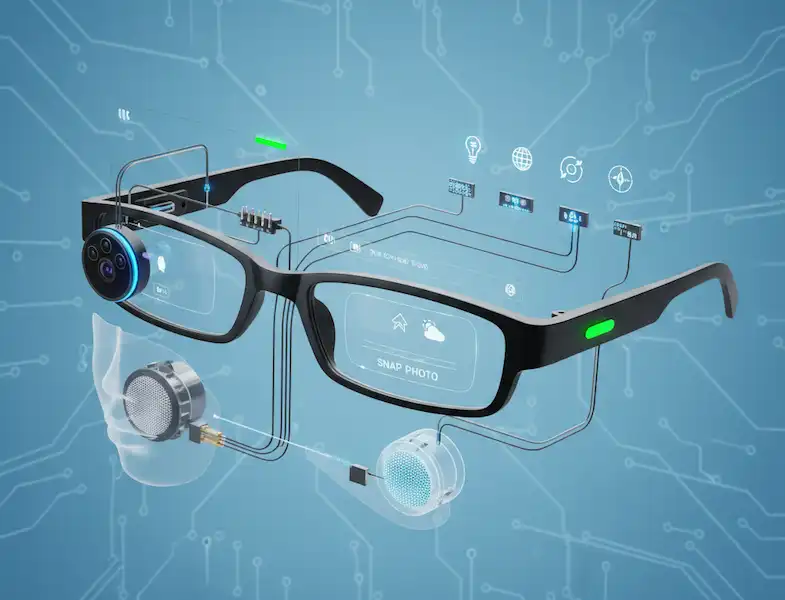
What’s Inside the Hood?
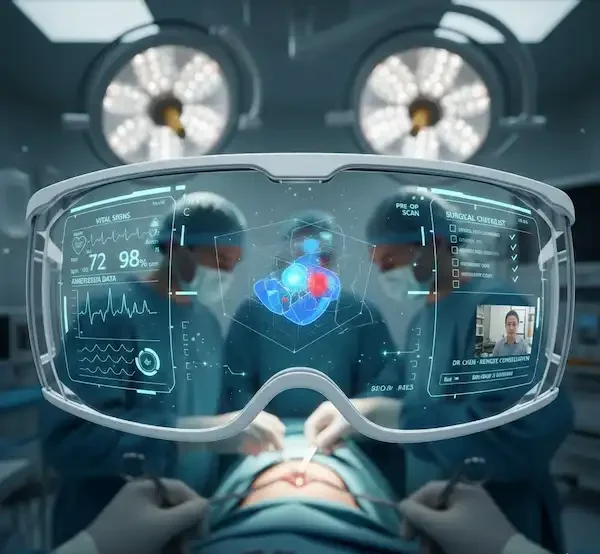
- Heads-Up Display (HUD): This is the magic part. Information (like a heart rate monitor or an X-ray) seems to float right in front of you.
- Built-in Camera: This is crucial for telemedicine. It lets a colleague see exactly what you’re seeing, whether you’re performing a delicate suture or assessing a wound.
- Voice Control: In a sterile setting, you can’t touch screens. Voice commands (“Show the pre-op scan,” “Start the timer”) keep things moving safely and smoothly.
- Connectivity: They link up instantly with hospital systems (the EHRs), ensuring data is secure and always current.
Imagine a busy ER nurse scanning a patient’s wristband, and immediately, their latest vitals and medication schedule pop up right over their glasses. That’s efficiency you can feel.
The Real-World Impact: Where Smart Glasses Shine
The places where Smart Glasses in Healthcare are making the biggest difference are the places where precision, speed, and remote collaboration matter most.
1. Surgical Excellence: The New Level of Precision
Surgery is a high-stakes endeavor. Anything that reduces guesswork or distraction is gold. Smart glasses are becoming a surgeon’s best friend by providing anatomical guidance that feels like science fiction.
Real-Life Stories:
- The GPS for Bones: During tricky orthopedic or spine operations, doctors are using AR to overlay CT scans of the patient’s spine directly onto their body. It’s like having a GPS guiding the placement of every screw or incision with sub-millimeter accuracy. A surgeon once told me it feels like they can “see through the skin.”
- The Ghost Tumor: In neurosurgery, where margins are everything, smart glasses can highlight the precise boundaries of a tumor in real-time, helping the surgeon remove the bad tissue while protecting the vital brain matter nearby.
- The Hands-Free Checklist: Forget paper checklists. Surgeons can display their procedural steps right in their vision, ensuring they don’t miss a single, critical step during a long procedure—a huge win for patient safety.

2. Telemedicine: Bridging the Distance
The most critical challenge in medicine is often location. Smart Glasses in Healthcare are wiping out that distance.
Real-Life Stories:
- The ER Lifeline: Picture a small-town ER doctor dealing with a rare trauma case. They can put on the glasses and instantly connect with a specialist in a major metropolitan hospital. The specialist sees exactly what the local doctor is seeing and can guide them, step-by-step, through stabilizing the patient until transport arrives. It’s remote coaching in the moment of truth.
- The Rural Exam: A general practitioner in a remote area can conduct a visual exam, and if they spot something worrying, they can stream the high-definition view to a dermatologist or ophthalmologist for an immediate, informed second opinion.
3. Training the Next Generation: A First-Person View
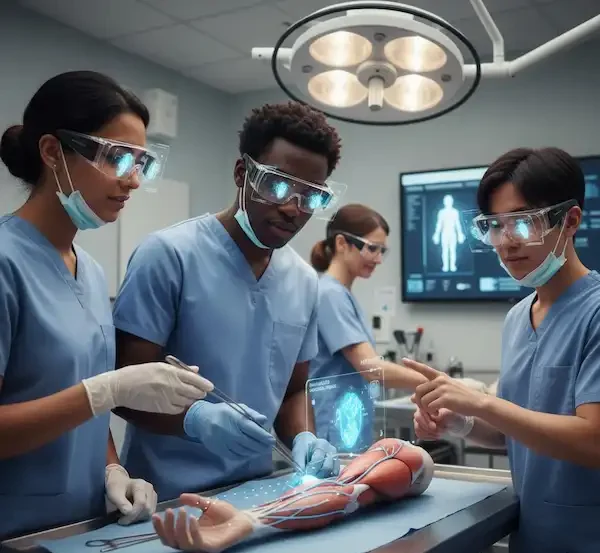
How do you teach a resident to perform a delicate procedure? Usually, they peer over your shoulder, struggling to see past your hands. Smart Glasses in Healthcare change that dynamic entirely.
Real-Life Stories:
- The Surgeon’s POV: Now, trainees can watch a master surgeon operate from a first-person perspective—seeing exactly where their hands are, how the light falls, and the angles of the instruments. It’s like being inside the expert’s head.
- Anatomy in 3D: Instead of staring at flat textbook diagrams, students can put on the glasses and see a perfectly rendered, beating human heart floating in the center of the lecture hall, turning anatomy lessons from memorization into immersion.
4. The Daily Grind: Making Nurses’ Lives Easier
It’s not just for surgeons. Nurses spend countless hours documenting and administering medications.
- Medication Safety: Nurses can scan a patient’s ID and the drug’s label. The glasses instantly verify, in their field of view, that the Right Patient is getting the Right Drug at the Right Time. This simple visual confirmation drastically reduces medication errors, which are a serious industry problem.
- Documentation on the Fly: They can record notes or capture images of a wound’s progress using simple voice commands, keeping their hands free for patient care instead of typing.
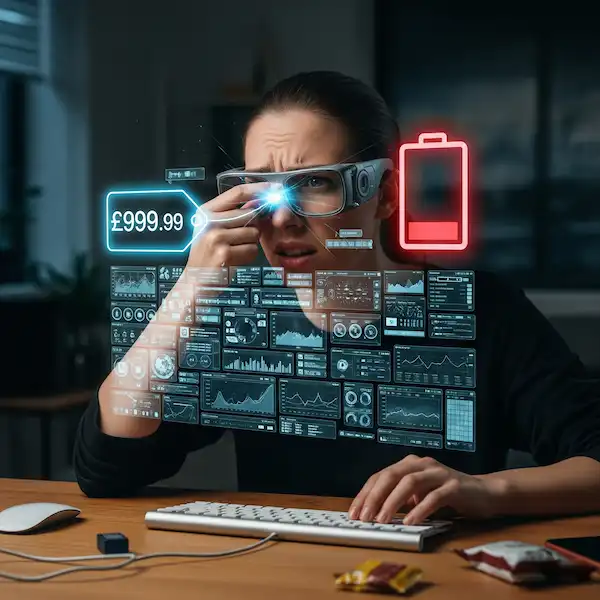
- Cost: Quality AR hardware is expensive. Hospitals need to see a clear return on investment.
- Privacy (HIPAA): Dealing with confidential patient information is always a major concern. The software needs iron-clad security to protect this data as it’s streamed and processed.
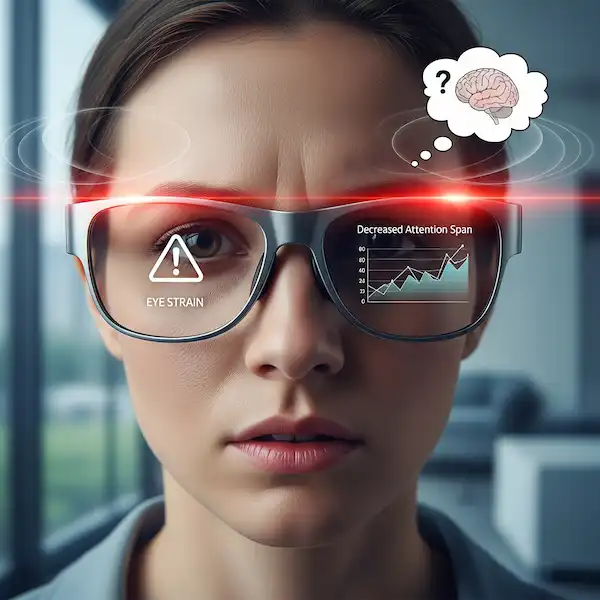
- Getting Used to It: Some doctors feel dizzy or uncomfortable at first. Training and finding the right ergonomic fit are essential—nobody wants a headache after a 12-hour shift!
- Battery Life: You can’t have the battery die mid-surgery. The hardware needs to be reliable for long stretches.
- Learn more about smart glasses for athletes – Smart Glasses for Athletes: Strava & Garmin Integration
- Read about smart glasses for warehouse logics – AR Smart Glasses in Warehouse Logistics – Revolutionizing Logistics
- Microsoft HoloLens in Healthcare: https://www.microsoft.com/en-us/hololens/industry/healthcare
- Google Glass Enterprise Edition: https://www.google.com/glass/ (Note: Focus on enterprise applications, often used in healthcare settings.)
- Augmedics (Surgical AR): https://augmedics.com/
- Medivis (Medical AR): https://www.medivis.com/
- The New England Journal of Medicine (Search for AR/Smart Glasses in Surgery): https://www.nejm.org/
- JAMA Network (Search for Wearable Technology in Medicine): https://jamanetwork.com/
Why This Matters: The Human Benefits of Smart Glasses in Healthcare
When we talk about Smart Glasses in Healthcare, it has to come back to the human element.
| Benefit | What It Really Means for Doctors and Patients |
| Greater Accuracy | Fewer mistakes mean less need for follow-up surgeries, less risk, and faster recovery. |
| Less Stress | Accessing information instantly means less panic and fumbling when a moment of crisis hits. |
| Saving Time | Streamlining checklists and documentation means doctors and nurses can spend more time actually caring for patients. |
| Instant Mentorship | Experts can share their knowledge instantly across continents, ensuring the best care is available everywhere. |
The Road Ahead: Hurdles We Still Need to Jump
It’s not all smooth sailing. Getting these Smart Glasses in Healthcare into every hospital requires overcoming some real-world bumps:
But these are solvable problems. As the tech gets smaller, cheaper, and more powerful, Smart Glasses in Healthcare will go from being a novelty to being standard operating equipment. We are witnessing the beginning of a truly augmented era of medicine, where every practitioner has the knowledge of the world’s best specialists backing them up.
Frequently Asked Questions (FAQ)
Q1: Wait, can a remote specialist perform the surgery through the glasses?
A1: Not exactly! The remote specialist can see everything and provide verbal guidance, effectively acting as an advisor. The local surgeon, however, is still the one with the scalpel in their hands. The technology assists the human; it doesn’t replace them.
Q2: Are these the same smart glasses I see people wearing to film videos?
A2: No. Medical smart glasses are usually far more robust. They have higher-resolution cameras, medical-grade security features, and materials that can be sterilized, which is non-negotiable in an operating room.
Q3: How do the doctors control the interface if their hands are busy?
A3: They mainly use voice commands. They can tell the glasses to zoom in, change data views, or retrieve an image simply by speaking, keeping their hands free and sterile.
Q4: Is this just for big city hospitals?
A4: Definitely not. In fact, smart glasses are arguably most powerful in rural or underserved areas because they allow local practitioners to instantly access specialist advice they would never normally have on site. It’s an equalizer for healthcare access.
Q5: What’s the biggest challenge that still needs solving?
A5: Integration. Getting the glasses’ software to talk smoothly and securely with the hundreds of different legacy Electronic Health Record (EHR) systems used in hospitals is a massive undertaking.